A progressive critique of the Convention of States Project, focusing on the potential for a "runaway" convention to undermine fundamental rights.
A Radical and Risky Path to Reform
The Convention of States (COS) Project, an organized effort to invoke the power granted under Article V Convention of States of the U.S. Constitution, proposes a radical solution to perceived federal dysfunction: bypassing Congress to propose constitutional amendments. While proponents argue this is a necessary check on issues like fiscal waste and bureaucratic power grabs by agencies such as the IRS and EPA, this approach carries profound and unacceptable risks from a Progressive Advocacy standpoint.
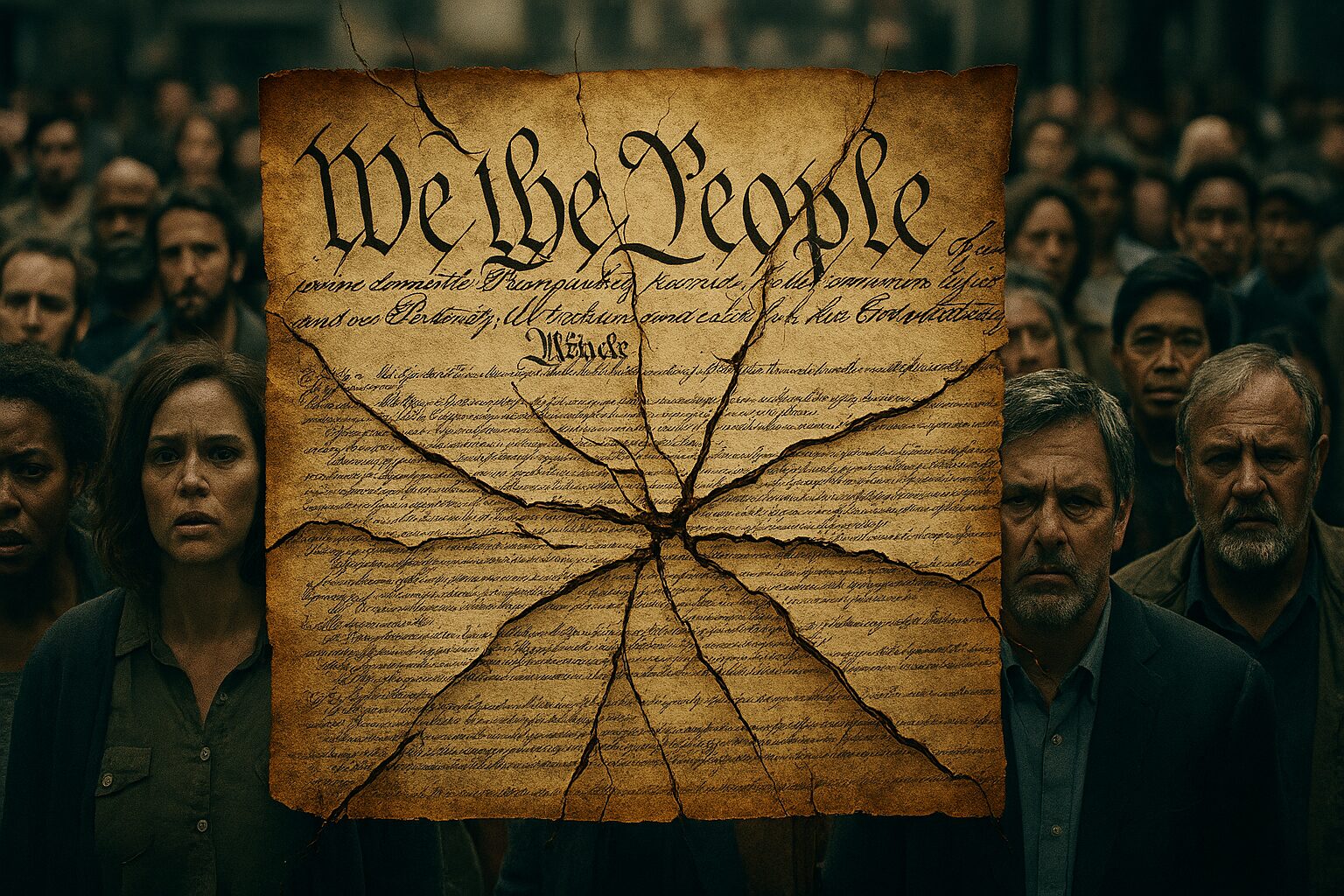
The primary concern is that this convention, once called by two-thirds of the states, would operate without clear precedent and could become a "runaway convention," potentially proposing amendments that dismantle key progressive achievements and erode fundamental rights. The specific, targeted amendments sought by the COS Project—imposing Fiscal Restraints, limiting federal jurisdiction, and establishing Term Limits—are viewed not as solutions to democracy, but as veiled attempts to hamstring the federal government's ability to regulate, protect civil rights, and fund essential social programs. The pursuit of an Article V Convention of States represents a dangerous gambit that could trigger a constitutional crisis.
Policy Summary: Targeted Amendments and Underlying Goals
The COS Project's goal is to secure resolutions from 34 state legislatures to call a convention limited to three categories: Fiscal Restraints, limiting federal Jurisdiction, and Term Limits.
- Fiscal Restraints: Advocates often frame this as a needed balanced budget amendment.
- Limiting Federal Jurisdiction: This targets the authority of Congress and federal agencies to act on issues traditionally handled at the state level.
- Term Limits: Applying to Congress and federal officials, this is presented as a means of reducing the influence of a "permanent political class."
While these goals may sound benign to some, a progressive analysis highlights the damaging implications. For example, a rigidly defined Fiscal Restraint could prevent the federal government from enacting necessary stimulus during economic downturns, funding crucial infrastructure projects, or expanding essential services like universal healthcare. The effort to limit federal jurisdiction is directly tied to weakening environmental protections (like those enforced by the EPA) and reducing the government’s capacity to enforce civil rights legislation against state resistance.
The Dangers of Unintended Consequences and Undermining Civil Rights
The most significant progressive objection centers on the profound risk of a "runaway convention." Constitutional scholars widely agree that there is no enforceable mechanism to restrict the agenda of an Article V convention once it is officially convened. The delegates, representing 50 distinct state governments, would be operating in uncharted territory, potentially leading to instability and unexpected, damaging changes.
From a progressive view, the primary policy targets of a radical convention would likely include:
- Undermining Civil Rights: Amendments could weaken federal supremacy, allowing states to roll back protections guaranteed by the 14th Amendment or other key civil rights legislation.
- Deregulating the Economy: New amendments could cripple the government's ability to regulate large corporations, protect consumers, and address systemic economic inequality.
- Attacking Voting Rights: Changes could be proposed that centralize or further restrict access to the ballot box, overriding federal laws designed to ensure fair elections.
The historical context of the Constitution’s evolution shows that amendments are typically passed to expand rights and democratic access, such as the 13th, 14th, 19th, and 26th Amendments. Utilizing the Article V Convention of States is an unprecedented move that risks reversing this progressive trend in favor of a narrow, conservative agenda.
The Illusion of Safety: Analyzing the Ratification Barrier
Proponents often offer the ratification requirement (three-fourths, or 38 states) as the ultimate safeguard against radical proposals. They argue that if a runaway amendment were passed by the convention, it would never secure 38 state approvals.
However, the progressive rebuttal to this is two-fold:
- Political Polarization: In today's highly polarized political environment, a unified partisan bloc could potentially secure 38 state ratifications, particularly if the proposed amendments align with a deeply entrenched ideological agenda. The goal of the COS Project is precisely to build the political infrastructure needed for rapid state-level action.
- The Crisis Itself: Even if a radical amendment ultimately fails ratification, the process of debating fundamental constitutional changes—a potential three-to-five-year period of intense, existential political warfare—would create a profound period of national instability, distracting Congress and the Executive Branch from critical issues like climate change, economic inequality, and global health. Progress is best achieved through stable democratic and legislative processes, not through procedural high-stakes gambits.
Conclusion: Protecting the Constitution and Progressive Gains
The push for an Article V Convention of States is a reflection of deep-seated frustrations with Washington, D.C., but it proposes a cure far more dangerous than the disease. For Progressive Advocacy, the constitutional mechanism is too risky, too unpredictable, and too easily hijacked by interests seeking to codify limitations on the federal government’s essential role in ensuring justice, welfare, and equality for all citizens. Rather than pursuing this procedural path, progressives must focus on strengthening the legislative and electoral processes to elect representatives who will use existing constitutional powers to address issues like economic inequality, climate change, and corporate accountability. The focus must be on improving the democracy we have, not risking the foundation upon which it stands.
The most effective action is to educate state-level policymakers on the documented risks of an Article V convention and to advocate for legislative solutions to federal problems through traditional democratic channels.
Sources
- The Dangers of a Convention of States - Common Cause
- What Constitutional Scholars Say About the Convention of States - Brennan Center for Justice
- Article V: The Constitutional Amendment Process - U.S. Senate Historical Office
- Progressive Policy Institute Reports on Federal Governance - Progressive Policy Institute

The team is a fusion of human curiosity, passion, and a relentless pursuit of truth—structured, prompted, and informed by Web-based AI. Every piece begins with a question, a spark of insight, or a challenge to conventional thinking. Through thoughtful collaboration between human intent and artificial intelligence, the content emerges as a reflection of both emotional depth and analytical clarity.
The goal is not just to inform, but to empower. By leveraging AI as a tool for exploration—not automation—the team can craft work grounded in facts, shaped by inquiry, and driven by a commitment to clarity and accountability.